
Pathway literacy
Low energy in men: when it's worth having your hormones checked
Persistent fatigue in men can stem from a regulated signaling system, not just sleep or stress — here's what a physician actually checks before any conversation about support begins.
6 October 2026
Why "low energy" is a signaling question, not just a sleep question
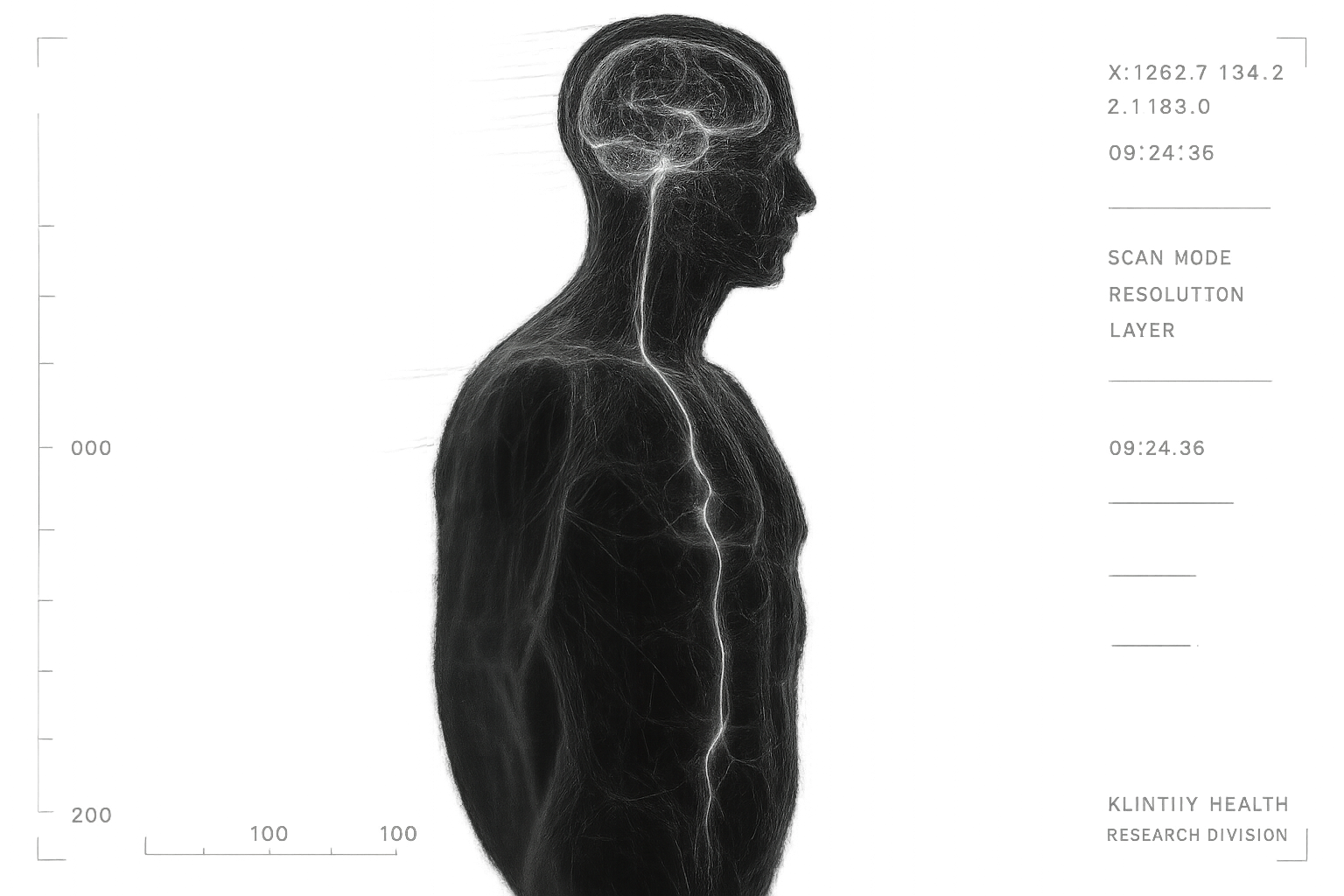
Men often describe low energy as something to fix with more sleep, more coffee, or more willpower. Sometimes that's exactly what's needed. But energy, motivation, and physical vitality are also downstream of a communication system — a set of glands and feedback loops that send chemical signals to muscle, fat, brain, and metabolic tissue, telling them how to behave. When that signaling system is working normally, the body adjusts energy use, recovery, and drive without you noticing. When it's disrupted, the result can feel exactly like generic fatigue: low motivation, slower recovery from exercise, reduced mental sharpness, and a general sense of being "off" — even when sleep, diet, and stress are reasonably under control.
This is why fatigue is a symptom, not a diagnosis. It can come from a hormonal signaling issue, but it can just as easily come from thyroid function, iron stores, sleep quality, mental health, or something unrelated entirely. The job of a physician isn't to assume it's hormonal — it's to work out whether that pathway is worth investigating at all.
What actually gets evaluated
Before any discussion of markers or next steps, a physician is building a picture, not running a test in isolation. That picture usually includes:
- A detailed history: onset and pattern of fatigue, sleep quality, exercise tolerance, mood, libido changes, and how these have evolved over months — not days.
- Physical and lifestyle context: body composition changes, sleep apnea risk, alcohol use, medications, and chronic conditions that are known to affect energy-regulating systems.
- Relevant bloodwork, interpreted in context — not a single number treated as a verdict, but a pattern read alongside symptoms and history.
- Ruling out non-hormonal explanations first, since fatigue has many causes and treating the wrong system changes nothing.
This is the part that's easy to skip when someone is sourcing something through a Telegram seller or an unregistered online shop. A product without a prescriber attached skips the entire diagnostic step — there's no history taken, no bloodwork reviewed, and no attempt to understand why the fatigue is happening before something is introduced into the body. That's a meaningfully different starting point from a clinical evaluation.
Why source and evidence matter if a conversation moves forward
If a physician determines that further discussion around hormonal signaling is warranted, anything considered would come from a licensed pharmacy partner, not an unverified seller. Compounded products prepared by a licensed pharmacy are typically accompanied by batch-specific testing. A Certificate of Analysis is analytical evidence about the sample tested — not a claim of clinical safety, efficacy, or regulatory approval. It tells you what was measured in that batch; it does not replace a physician's judgment about whether a treatment is appropriate for you, at what point, and under what monitoring.
Grey-market products carry none of this structure — no intake, no bloodwork, no prescriber accountable for the decision, and no dispensing pharmacy accountable for what's actually in the vial.
Where this leaves you
Low energy in men is common, and most of the time it has an explainable, often non-hormonal cause. But when fatigue is persistent, unexplained by lifestyle factors, and accompanied by other changes in drive, recovery, or body composition, it's reasonable to ask whether a hormonal signaling pathway deserves a closer look — through history, exam, and relevant markers, interpreted by someone qualified to read them together.
If that sounds like where you are, the starting point isn't a product. It's an assessment with a licensed physician who can look at the full picture and tell you whether this pathway is even the right one to explore.
Related pathway
Men's Hormone Health pathway
Physician-led care focused on the hormonal signaling systems involved in energy, vitality, and long-term wellbeing in men.
Explore the pathway